%22%2F%3E%0A%20%20%20%20%20%20%3Cstop%20offset%3D%22100%25%22%20stop-color%3D%22hsl(226%2081%25%2030%25)%22%2F%3E%0A%20%20%20%20%3C%2FlinearGradient%3E%0A%20%20%20%20%3CradialGradient%20id%3D%22wash%22%20cx%3D%2250%25%22%20cy%3D%2250%25%22%20r%3D%2250%25%22%3E%0A%20%20%20%20%20%20%3Cstop%20offset%3D%220%25%22%20stop-color%3D%22hsl(351%2073%25%2045%25)%22%20stop-opacity%3D%220.95%22%2F%3E%0A%20%20%20%20%20%20%3Cstop%20offset%3D%22100%25%22%20stop-color%3D%22hsl(351%2073%25%2045%25)%22%20stop-opacity%3D%220%22%2F%3E%0A%20%20%20%20%3C%2FradialGradient%3E%0A%20%20%20%20%3Cpattern%20id%3D%22stripes%22%20width%3D%2233%22%20height%3D%2233%22%20patternUnits%3D%22userSpaceOnUse%22%20patternTransform%3D%22rotate(40)%22%3E%0A%20%20%20%20%20%20%3Cpath%20d%3D%22M%200%2016%20L%2033%2016%22%20stroke%3D%22white%22%20stroke-opacity%3D%220.10%22%20stroke-width%3D%221.8%22%2F%3E%0A%20%20%20%20%3C%2Fpattern%3E%0A%20%20%3C%2Fdefs%3E%0A%0A%20%20%3Crect%20width%3D%221600%22%20height%3D%22900%22%20fill%3D%22url(%23bg)%22%2F%3E%0A%20%20%3Crect%20width%3D%221600%22%20height%3D%22900%22%20fill%3D%22url(%23wash)%22%20opacity%3D%220.28%22%2F%3E%0A%20%20%3Crect%20width%3D%221600%22%20height%3D%22900%22%20fill%3D%22url(%23stripes)%22%2F%3E%0A%0A%20%20%3Cg%20fill%3D%22none%22%20stroke%3D%22white%22%20stroke-opacity%3D%220.10%22%3E%0A%20%20%20%20%3Cpath%20d%3D%22M%200%20623%20C%20260%20542%2C%20570%20704%2C%20840%20623%20S%201300%20542%2C%201600%20623%22%20stroke-width%3D%222%22%2F%3E%0A%20%20%20%20%3Cpath%20d%3D%22M%200%20691%20C%20220%20527%2C%20610%20855%2C%20910%20691%20S%201320%20527%2C%201600%20691%22%20stroke-width%3D%222%22%2F%3E%0A%20%20%3C%2Fg%3E%0A%3C%2Fsvg%3E)
Agile transformation in a software company in the energy sector
2021 - 2022A traditionally structured project organization is transformed into autonomous, cross-functional teams – and future-proofed through an objective technology decision for a new cloud product. An approach based on guidance, workshop design, and the development of practical best practices.
In this project, an established software company is being supported that develops and markets billing and specialist solutions for the energy and utilities industry. The starting point is the desire to respond more quickly and precisely to customer requirements – and thus the question of how collaboration, roles, and responsibilities can be reorganized.
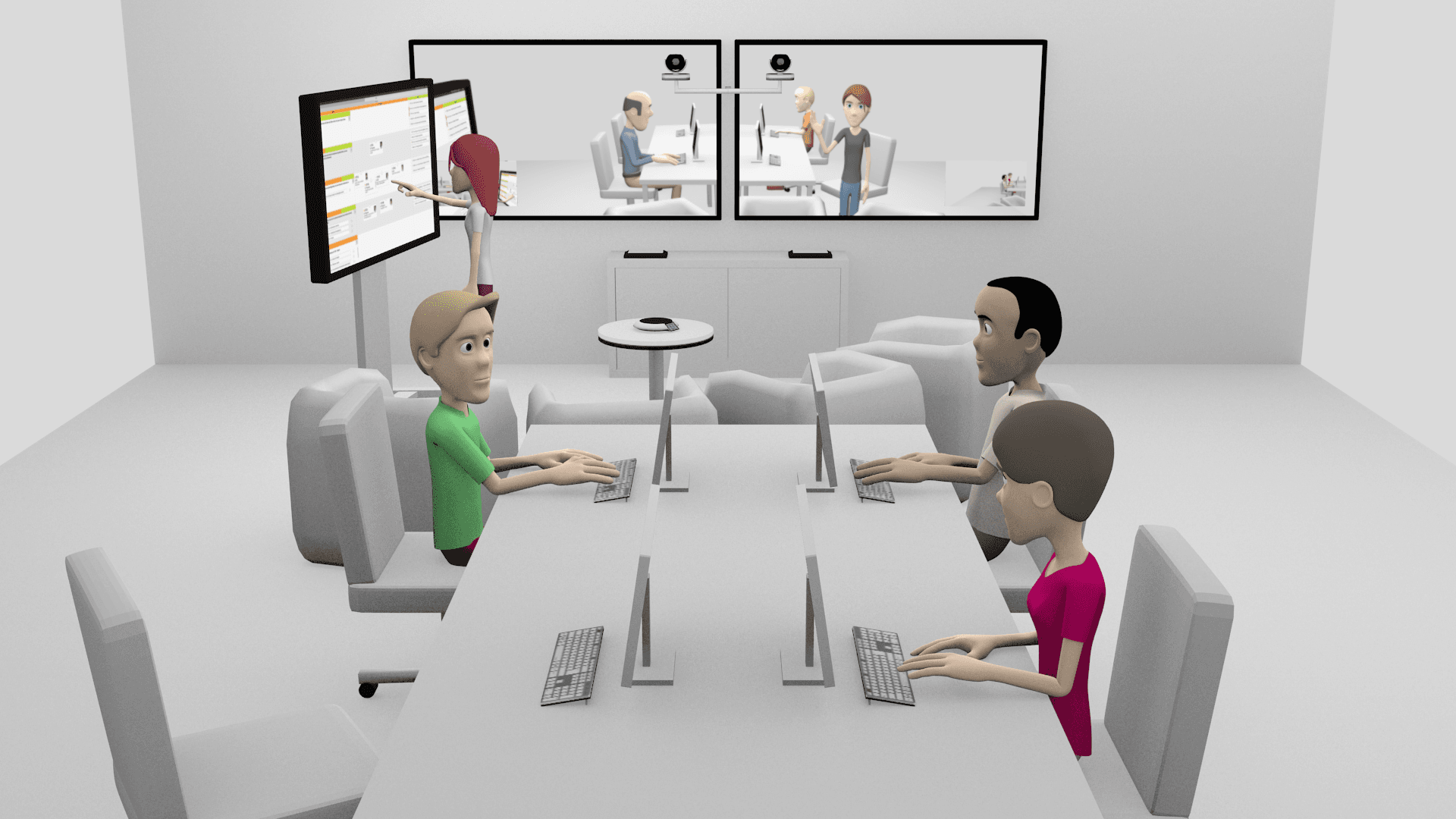
The focus of the first project phase was on the reorganization of the teams around a central software product: moving away from a classic project organization toward a value-stream-oriented matrix organization with largely autonomous, self-organized teams that cover all necessary expertise and processes. The central challenges – coordination within and outside the teams, adopting agile methods and principles, and the cultural transformation itself – are addressed on two levels: among the managers and within the teams.
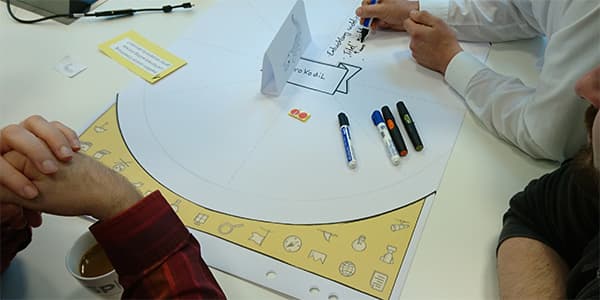
Methodologically, the approach is based on a framework of an agile mindset and suitable frameworks such as Scrum and Kanban. The approach is user-centered, iterative, and workshop-based: kick-off workshops are used to establish new structures and roles, after which the teams are supported in their first iterations – with facilitation for plannings, reviews, and retrospectives, as well as regular progress assessments. Jointly evaluated retrospectives lead to concrete measures for sustainable further development.
In the second phase, the strategic course is set for a new, cloud-based product. This involves creating an objective comparison of possible software technologies and architectures – including their opportunities, risks, advantages and disadvantages. At the core is a jointly developed, weighted decision matrix that approaches the question from several dimensions: current conditions and existing know-how, strategic goals, and cost-effectiveness. The result provides management with a robust basis for a viable, long-term effective technology decision.
In the project, the focus was on professional support: in designing and facilitating workshops, coaching managers and teams, and developing practical best practices for the new way of working.